The 7 West Staging Team · 4 min read
Walk through two homes on the same street, listed within days of each other and priced almost the same, and you'll often watch two very different stories play out. One goes under contract in a week. The other sits — open house after open house, a price cut, then another — until it finally sells for less than it should have. After years of walking into homes before they hit the market, we've stopped believing the difference comes down to square footage or finishes. More often, it comes down to something harder to put a number on: how the home makes a buyer feel in the first minute or two after they walk through the door. This issue of The 7 West Edit is about that first minute — what it's actually made of, and why the homes that move quickly rarely get there by accident.
Why Buyers Decide Quickly
Why Buyers Decide Quickly
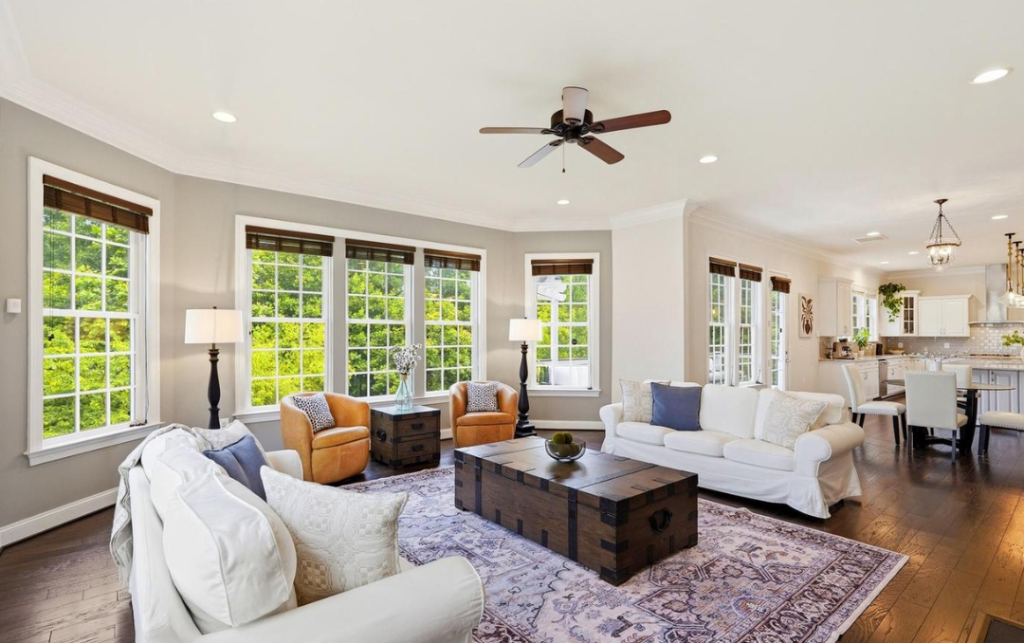
One thing we've noticed over and over: buyers start forming an opinion almost immediately — well before they've read the listing sheet or asked a single question about the roof or the HVAC. We don't think that's buyers being careless. It's more that a home either feels like somewhere they can picture themselves, or it doesn't, and that read happens fast. Light, scale, warmth, a sense that the space has been cared for — those are the things people are quietly clocking as they walk from the entry into the main living space. A cluttered room, an odd piece of furniture blocking a sightline, a house that still feels like it belongs to someone else — any of those can interrupt that read. A room that's been thought through tends to do the opposite. That's really the whole case for staging: it's not decoration, it's giving buyers less to work around and more to say yes to.
Studio Notes
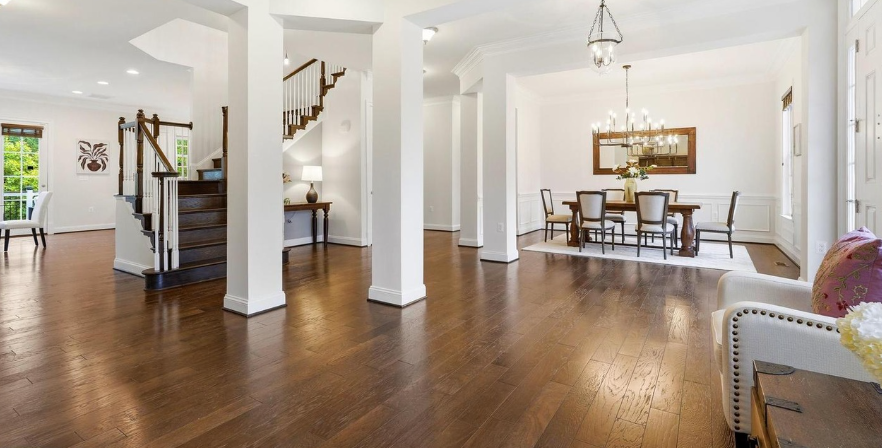
On a project like this, we tend to keep the palette warm and neutral so the architecture — the sightlines, the natural light — can do the talking instead of competing with it. Furniture gets pulled slightly smaller than what a family would actually live with day to day, mostly because oversized pieces read as clutter in photos and make rooms feel tighter than they are. We also try to style surfaces with restraint — a piece or two, never more than that. Enough for a room to feel lived-in, not enough to give a buyer's eye somewhere to get stuck.
Buyers don't just remember rooms. They remember how a home made them feel.
Buyers Connect with More Than Layout
Buyers Connect with More Than Layout
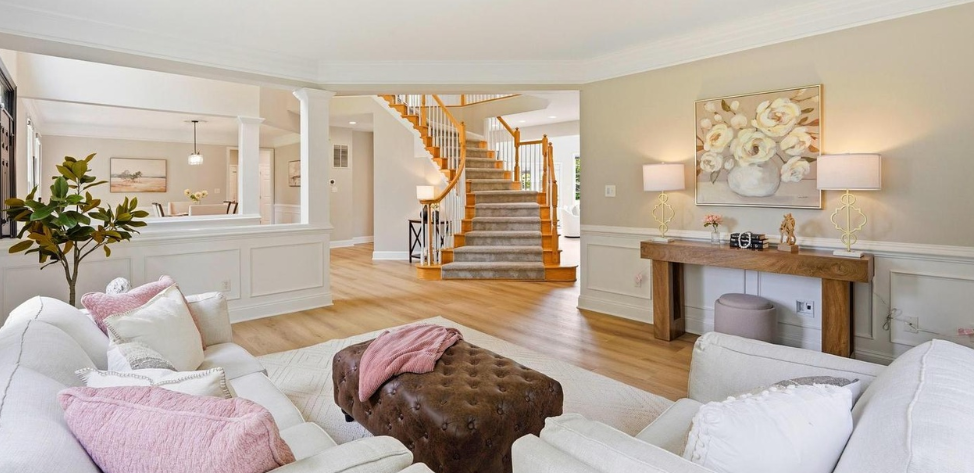
A floor plan can be memorized from a listing photo. A feeling can't — it has to be walked into. When a room reads as warm and considered rather than staged-to-be-sold, buyers stop cataloguing square footage and start picturing their own life in it: their couch in that spot, coffee at that counter. We've watched that shift happen in real time during showings — the moment someone stops asking practical questions and starts talking about where they'd put their own things. That's usually the moment that matters most, and it has very little to do with the floor plan itself.
Great Marketing Starts Before the Photos
Great Marketing Starts Before the Photos
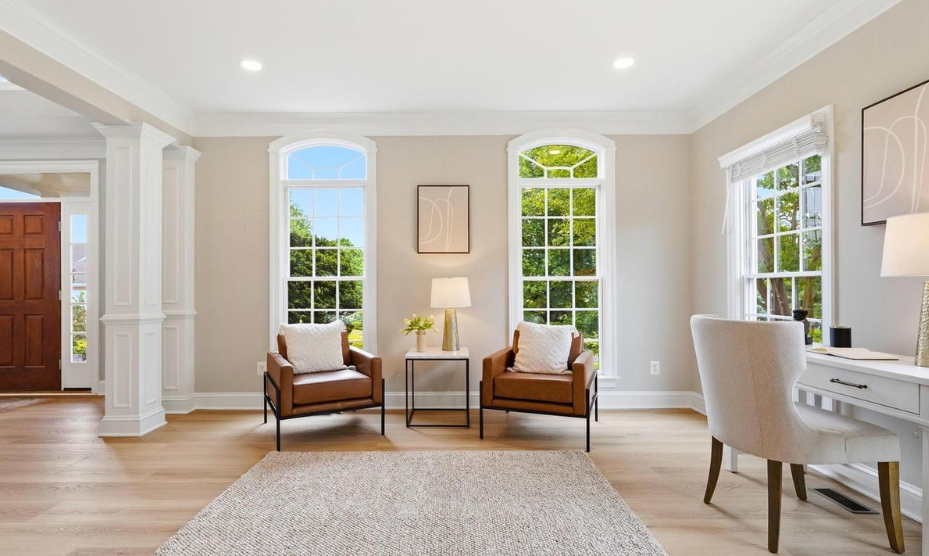
The photos that get a listing noticed are only ever as good as the room standing behind them. Staging isn't something you add after the photographer leaves — by then it's too late to fix a room that doesn't have anything to say. Homes that were prepared with some intention before a camera ever comes out tend to hold up better online, in our experience — not because of a trick of the lens, but because there was actually something worth photographing.
Featured Project
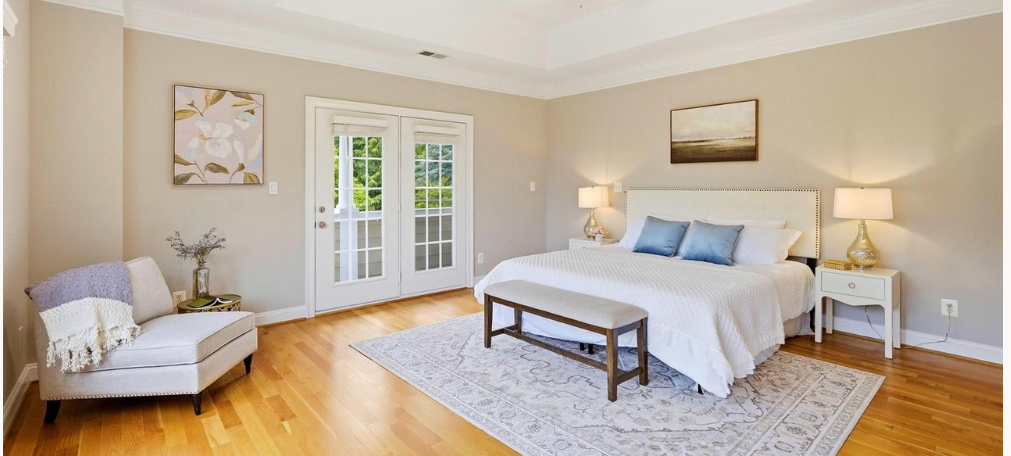
Round Hill, Virginia
This Round Hill home had beautiful natural light and generous living spaces, but the rooms weren't yet telling a cohesive story. Our staging focused on creating warmth, flow, and a clear sense of how each space could be lived in — clean-lined furnishings that let the architecture breathe, layered textures that added warmth without visual noise, and a deliberate path from room to room designed to feel effortless on a walkthrough. The result was a home that photographed beautifully, showed confidently, and helped buyers answer the question every listing hopes they'll ask: "Could I live here?"
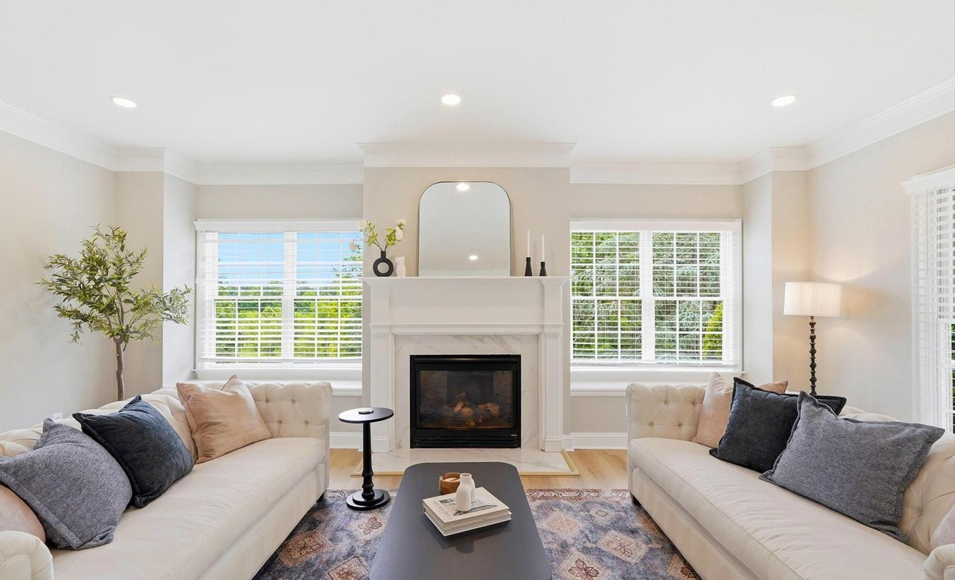
Round Hill, Virginia · 01
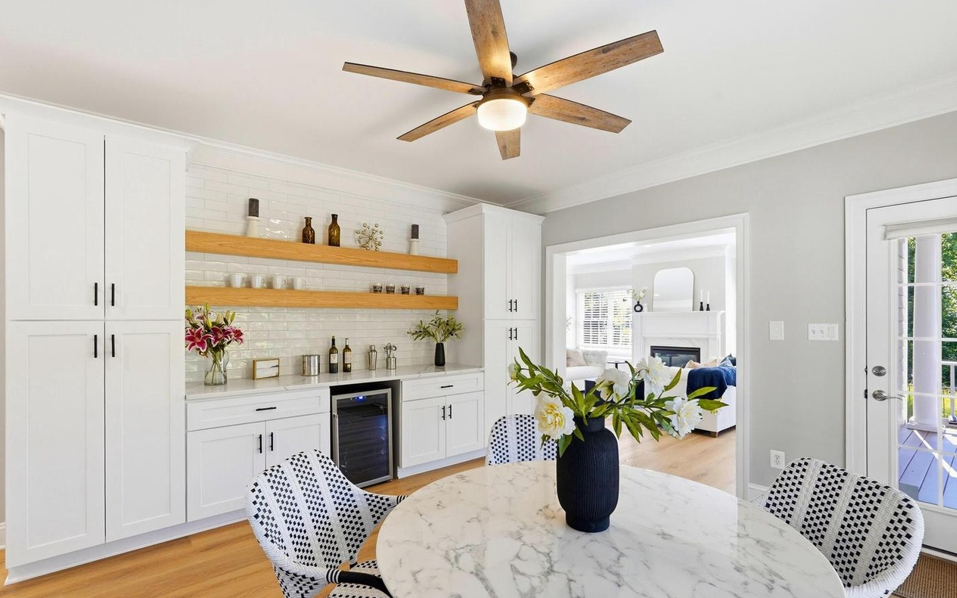
Round Hill, Virginia · 02
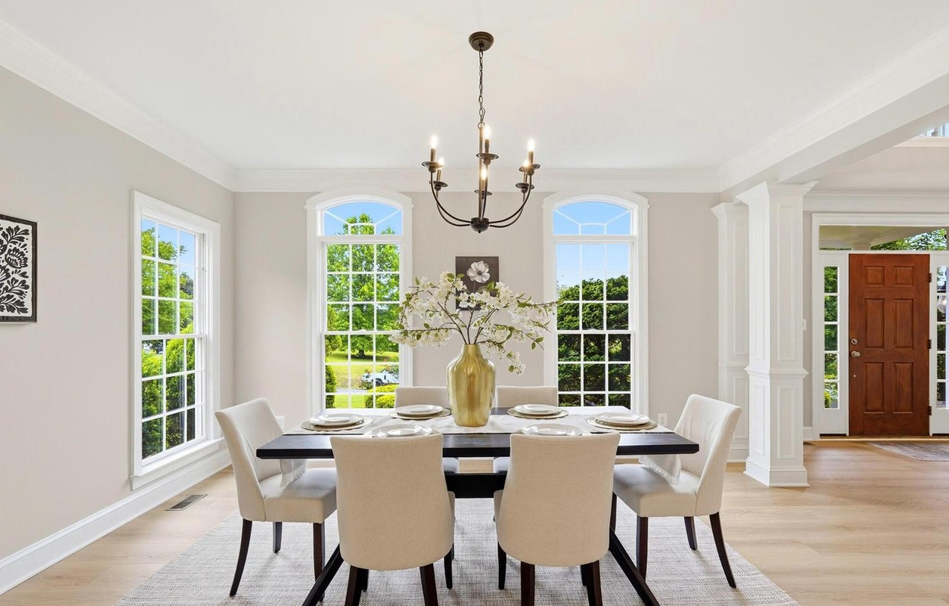
Round Hill, Virginia · 03
Key Takeaways
- 01
First impressions happen fast.
Buyers start forming an opinion within the first minute or two of a showing — often before they've asked a single practical question.
- 02
Staging creates emotional clarity.
It's not about decorating a room; it's about giving buyers less to work around and more to picture themselves in.
- 03
Buyers imagine before they evaluate.
The moment someone starts picturing their own furniture in a space is usually the moment that matters most.
- 04
Photography begins with preparation.
Strong listing photography starts with a room worth photographing — staging comes first, not the camera.
Every home has a story. Our job is to help buyers imagine themselves in it. Warmly, The 7 West Staging Team
About The 7 West Edit
The 7 West Edit is a monthly editorial from 7 West Staging, sharing design insights, market observations, and behind-the-scenes perspectives from homes across Northern Virginia.
Continue Reading
Issue No. 002
The ROI of Professional Staging
Issue No. 003
Five Things Buyers Notice Immediately
Issue No. 004
Inside a Luxury Listing Transformation